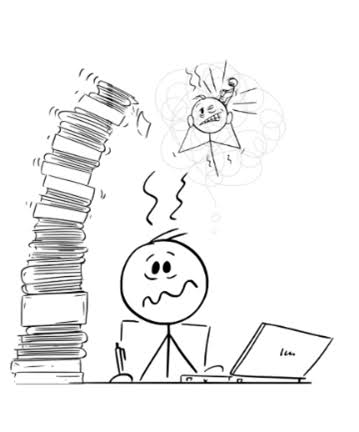
What if we talked about stress?
Stress: A Silent Enemy That Drains Our Lives (and Our Health)
Stress has become part of everyday life for many people. Between work pressure, mental load, family responsibilities, and the frantic pace of modern life, we often feel that there is simply no escaping it.
Yet stress is not inevitable. When we understand its profound impact on the body and the mechanisms it triggers, we can start taking meaningful action.
⚠️ Stress: A Real Risk Factor for Our Health
What we often forget is that stress does not only affect our mood.
When it becomes chronic, it can gradually have a damaging effect on the entire body:
- increased blood pressure
- disrupted heart rhythm
- persistent low-grade inflammation
- weakened immune function
- digestive problems
- ongoing fatigue
- hormonal imbalances
Chronic stress is also associated with an increased risk of cardiovascular disease, and its effects can be felt across every aspect of our well-being: physical, emotional, and cognitive.
👩🦰 Women: A Particular Sensitivity That Should Not Be Overlooked
Women may be particularly exposed to the effects of stress. Not because they are more fragile, but because:
- they often carry a heavier mental load,
- their days frequently combine professional and personal responsibilities,
- hormonal fluctuations can influence the way the body responds to stress.
Understanding these factors can help us develop more appropriate prevention and recovery strategies.
🔁 The Vicious Cycle of Chronic Stress
When faced with stress, many people turn to quick fixes:
smoking, alcohol, snacking, physical inactivity, or spending too much time on screens late at night.
These behaviours may provide temporary relief, but they can ultimately contribute to maintaining the body in a state of heightened alert.
The brain then seeks even more ways to compensate, and the cycle continues.
The good news? We can break this cycle by taking back control through simple, everyday habits.
🌿 Practical, Simple and Effective Solutions
You do not need to completely change your life to reduce stress.
Some of the most effective strategies are also among the most accessible:
- exercise regularly
- take real breaks, even short ones
- listen to music
- maintain meaningful social connections
- limit alcohol and tobacco
- take a short “power nap” after lunch
- practise slow, controlled breathing or cardiac coherence for a few minutes
- practise mindfulness meditation
- make time for laughter every day
- aim for 7 to 8 hours of sleep
- eat at regular times and, whenever possible, share meals with family or friends
The key is consistency and simplicity.
❤️ Taking Care of Yourself Is an Act of Responsibility
Taking care of your health is neither a luxury nor a sign of weakness.
On the contrary, it is a vital investment: in yourself, in your future, and in the people around you.
Learning to listen to your body, slowing down when necessary, and making well-being a priority are the kinds of choices that can genuinely transform your life over the long term.
Health disclaimer: I am not a doctor. As a naturopath, I share this information for information and health education purposes; it is not a diagnosis or a medical prescription and does not replace your doctor’s advice. Read the full health disclaimer.